
If any kind of gender-affirming surgery is in your plans, it’s likely that you’ve thought about surgery scars: their placement and visibility, and possibly the ways in which they can be reduced. Some people are proud of their scars and wear them as badges of honor, but if you’re looking for information about the best ways to treat scars and reduce their appearance, you’ll find lots of ideas in this comprehensive guide. Dig in!
This post contains affiliate links.
What Are Scars?
To determine the best methods for treating surgery scars we first need to understand what they are. Simply stated, scars are areas of fibrous skin that replace normal skin after injury. Skin injury can include wounds, burns, acne and surgery. Scar formation is a natural part of the healing process. When your skin is injured, skin cells rich in collagen (protein) multiply to replace the injured skin. The collagen contains fibers that strengthen the layer of skin below the surface, adding thickness to the healing skin, and it’s this thickness that causes scarring. How the scar heals is dependent on the severity and location of the injury, age, hereditary factors, and skin color.
There are several different types of scars:
- Hypertrophic Scars: These are typically redder in appearance, and lightly raised and thickened.
- Keloid Scars: These scars are the result of an overproduction of new scar tissue. They usually appear after surgery, but can also be caused by inflammation from pimple, burns, or piercings. Although harmless, keloid scars tend to be itchy, tender, or even painful to the touch, and they can spread beyond the original wound site. Additionally, keloids can continue to grow slowly for years. They are more common in darker skinned individuals and tend to be hereditary.
- Atrophic Scars: These scars are recessed and occur when fat and muscle under the wounded skin is damaged or lost. Acne can leave recessed scars.
- Contracture Scars: These scars have a pulled taught appearance caused by skin contraction during healing. Deep contracture scars can restrict movement if the underlying muscles and nerves are affected. They are often the result of burn injuries.
One way of treating scars is to… not treat them at all! You’ll need to be patient, as the healing process is slow. If you’d like to support your body’s healing capabilities, or speed the healing process along, continue reading to learn more about what both conventional and alternative medicine have to offer for treating surgery scars.
Pre-operative Care
Choosing a Surgery Procedure
Scar size and placement is often a consideration when choosing a surgery procedure. For example:
| Type of FTM Surgery | Less Scarring | More Scarring |
| Top Surgery | Keyhole & Peri-areolar | Double incision |
| Hysterectomy | Laparoscopic | Abdominal |
| Lower Surgery | Metoidioplasty | Phalloplasty |
Nutrition and Scar Healing
Certain foods, vitamins and mineral supplements are known to help promote wound healing and even reduce the development of scar tissue. To prepare for surgery, stick to a healthy, well-balanced diet, and quit smoking. You’ll be well on your way to optimal healing.
Protein: Proteins provide the body with the building blocks to repair and rebuild, and they also help fight infection. Because protein deficiency can delay wound healing, eating a diet rich in lean protein before surgery can help promote good scar healing when you’re post-op.
Zinc: Similarly, zinc deficiencies have been linked to slow wound healing. Additionally, surgical trauma can actually decrease your zinc levels. Zinc plays an important role in the collagen matrix, it promotes new skin formation and helps fight infection. Consider increasing your daily zinc intake via zinc-rich foods or a zinc supplement.
Vitamin C: Studies have shown that wound healing can be significantly accelerated by taking vitamin C in doses larger than the recommended daily allowance (RDA).
Other vitamins and minerals that reportedly promote skin healing include: bromelain (pineapple), grape seed extract, vitamin A, glucosamine, hyaluronic acid, and collagen supplements.
[infobox maintitle=”Important Note” subtitle=”There are many supplements that should be discontinued in advance of surgery, particularly anti-coagulants like garlic, ginger and ginseng. Nothing above appears in the list of Medications to Avoid Before and After Top Surgery, however any supplements you add to your regimen prior to surgery should be cleared by your surgeon first.” bg=”brown” color=”black” opacity=”on” space=”40″ link=”https://www.topsurgery.net/resources/top-surgery-medications-to-avoid.htm”]
Preoperative Massage
Massage has applications both pre- and post-operatively. Manual Lymph Drainage (MLD) massage prepares and helps tissues to be in the best possible state before surgery. Even just two preoperative sessions can significantly improve wound healing and scar appearance. (Read more about post-operative massage below.)
Post-Operative Scar Care
Your path to good healing starts immediately in the recovery room, with rest. During your recovery, you’ll have to wait for incisions to close before moving on to topical scar treatment, but in the meantime the same nutritional principles of wound healing apply. Depending on the type of surgery you had, your food intake may be limited but strive to eat a healthy, balanced diet within those limitations. Once your incisions have closed…
Post-operative Massage
Kristin Wilson-Key has been practicing massage and bodywork for over 25 years and has a specialization in post-operative chest and breast care. When asked about post-op massage in relation to scar tissue, Kristin offered the following comments:
A person can begin “working” the tissue very gently as soon as stitches are removed [or fully dissolve]. The work is to gently smooth the tissue along the incision line, in the direction of the scar, to get the tissue to form next to — instead of across — the incision. This helps the tissue be more mobile. The scar will also heal in a thinner line with less redness. After a month or so, one can begin to go across the incision, sideways, and diagonally, with a little more pressure.
The other important thing to do is to begin to lift the scar up from the underlying tissue, so that it does not adhere to it. This is very important for mobility. I like to get the scar to a point of being able to pick it up and roll it between my fingers. This type of work is done months into the healing process, depending on the scar’s sensitivity. It must be done gently at first and then quite aggressively later, especially if it’s an older scar. [Note: Stop if you feel any discomfort or tenderness.]
The massage work also helps with sensitivity. If a person never touches or handles a scar, the nerves can remain too sensitive or altered. Additionally, touching the scar while it is still forming helps the person heal, physically and emotionally. I think this is very important.
Traditional Chinese Medicine and Scar Healing
Acupressure and acupuncture are treatment modalities from the TCM tradition that can help reduce scar tissue. Acupressure is a form of massage that stimulates energy points on your body to boost maximum energy flow. Acupressure breaks up scar tissue and restores energy flow to the site of the skin injury, and is especially effective when combined with a topical scar healing oil or salve.
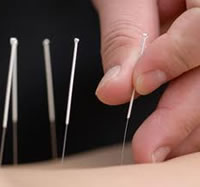 To treat scars with acupuncture, tiny specialized needles are inserted superficially into the skin at various points along the scar. This creates a healing, inflammatory response: dead cells and scar tissue are broken down by the body, blood flow to the area is increased, the lymphatic system is stimulated, and dead cells can be excreted. For a detailed summary of acupuncture methods to treat scars, see this excellent article from Acupuncture Today: A Simplified Approach to the Treatment of Scars with Oriental Medicine.
Topical Scar Treatments
To Use or Not To Use? The Debate About Vitamin E and Scar Healing
Vitamin E has been used in the treatment of a variety of skin conditions. Anecdotal reports claim that it speeds wound healing and improves the cosmetic appearance of scars, and many doctors recommend topical vitamin E for surgery scar treatment. However, an oft-quoted study into the effect of vitamin E on scars (published in 1999) revealed a starkly different picture:
- Vitamin E did not improve the appearance of scars.
- Vitamin E either had no effect on, or actually worsened, the cosmetic appearance of scars in 90% of study participants.
- 33% of study participants developed dermatitis.
Other studies:
- Failure of topical steroids and vitamin E to reduce postoperative scar formation following reconstructive surgery. (1986)
“…neither topical steroid nor topical vitamin E is effective in reducing scar formation…” - Why don’t we use vitamin E in dermatology? (1993)
“After 44 years of research there is still scant proof of vitamin E’s effectiveness in treating certain dermatologic conditions.” - Vitamin E for treating children’s scars. Does it help reduce scarring? (2006)
“Several anecdotal reports have suggested that topical use of vitamin E cream can reduce scar formation. Current evidence from the literature, however, does not support that proposition. In fact, studies report some adverse effects with use of vitamin E.”
Is it possible that the positive anecdotal results claimed about vitamin E have more to do with scar hydration and massage than with any dermatological effect of vitamin E?
With the high risk of dermatitis it may be best to avoid using vitamin E on your scars. If you already know you’re allergic to topical vitamin E, be sure to note which scar treatment products include vitamin E, such as:
Natural Products For Scar Healing
 There are numerous natural oils, plants and products that can be used to help improve the appearance of surgery scars. Look for these at your local health food store or natural pharmacy, or buy online.
Allium Bulb Extract: There’s conflicting evidence of the effectiveness of allium (aka allicin, onion) in the treatment of scars. Nevertheless, onion extract has found its way into a number of scar treatment products, including Derma E Scar Gel and the popular Mederma Scar Gel.
Arnica Cream or Gel: Applied topically, Arnica creams and gels are used to relieve pain and inflammation and promote scar healing. Avoid gels that include alcohol, which has a drying effect on skin — the opposite of what you want to do to scar tissue. You can sometimes find topical arnica formulated with calendula and silicone, both of which can also improve scar healing.
Castor Oil: Castor oil can soften and smooth out some of the fibrous tissue of a scar, improving its appearance and making it less noticeable. Gently massage into scars to promote circulation and healing. Castor oil also makes a good base for homemade herbal scar massage oils.
Calendula Gel or Cream: Applying calendula gel or cream to a scar twice a day can reduce inflammation and increases healing in new scars.
Cocoa & Shea Butter: Both cocoa and shea cocoa butter contain high concentrations of vitamin E, omega-3 fatty acids and antioxidants. Shea butter also stimulates collagen production in the skin and thus may be better suited to treating atrophic scars. While there’s lots of anecdotal information about the effectiveness of these fat extracts, refer to the above information about vitamin E.
Horsetail Grass: Long-valued by both European and Chinese herbalists, horsetail grass can be used topically on scars. The plant’s stems have the richest concentration of silica and silicic acids found in the plant kingdom, making horsetail grass extract a wise inclusion in a homemade scar massage oil.
Mustard Seed Oil – Homeopathic: Mustard seed oil (Thiosinaminum) ointments and homeopathic formulations are used to improve the appearance of scars. Look for a minimum 1X or 10% mustard seed oil concentration.
Kukui Nut Oil: Also known as Candlenut oil, Hawaiian Kukui nut oil is high in vitamins C, D, and E, as well as skin-protecting antioxidants. It stimulates collagen, and has the ability to “lock in” moisture in a manner similar to silicone. Refer to the above information about vitamin E.
 Rosehip Seed Oil: Rosehip Seed Oil is well-known for its outstanding skin regeneration properties and its ability to minimize scar tissue. To create a homemade scar treatment oil, mix 1 ounce each of rosehip seed oil and essential oils of rose and everlasting.
Scar Control – Organic Homeopathic: Scar Control is formulated to treat scars and keloids, reduce and help eliminate scar tissue and discoloration of surrounding skin, improve elasticity of skin tissue, and promote healthy and balanced skin tone. Ingredients: Calendula Officinalis 6X HPUS (promotes healthy skin and healing); Silicea 6X HPUS (for painful scars, keloids), Thiosinaminum 8C HPUS (mustard seed, for dissolving scar tissue); Corsican Helichrysum; Chilean Rosa Moschata; Mediterranean Rosmarinus Verbanone; French Lavandula Super*; American Sesamum Indicum. $25.95 11 ml. (*See Scar Care Products to Avoid for more information about lavender.)
Seaweed Extract: With reported skin healing properties, seaweed extract has found its way into a number of scar treatment products, such as Scar Esthetique Scar Crème, and makes a good addition to homemade scar massage oils.
Tamanu Oil: Tamanu Oil is among the most healing of the carrier oils for skin (along with Rosehip seed oil.) This study confirmed Tamanu oil’s ability to improve the appearance of scars, with “significant improvement” in as little as 6 weeks. It’s recommended in blends at 10-20% total concentration to receive its healing effects. Tamanu oil makes an excellent base for a homemade scar massage oil.
Vitamin A: Oral vitamin A has been shown to improve the appearance of keloid scars, and topical application of retinoic acid to hypertrophic and keloid scars has also shown success. However, vitamin A treatment can cause hypervitaminosis and teratogenicity, which limit its use.
Vitamin B5: Also called Panthenol, vitamin B5 is included in several scar healing products for its ability to moisturize, aid in tissue repair and increase cell regeneration. (Vegans take note: B5 is sometimes animal-derived.)
Botanical-Based Scar Healing Products
Bio-Oil – This is a popular scar treatment product that’s formulated with plant extracts and vitamins suspended in an oil base. Its primary ingredients are oils of calendula, lavender*, rosemary and chamomile, along with vitamins A and E. Bio-Oil also includes fragrance and artificial color. Also consider: 1) The basic ingredient is mineral oil, a low quality oil that can not only ruin your shirts, but is also linked to cancer. 2) The studies proving its effectiveness are misleading and incomplete. 3) There’s not one significant ingredient proven to improve scars that can’t be found in numerous other products for less money. $14.99 4.2 fl. oz. (*See Scar Care Products to Avoid for more information about lavender.)
Mederma Scar Gel – Mederma claims to be the “#1 doctor-recommended” product for scars. It contains a proprietary botanical extract made from onion and allantoin. $33.82 / 1.76 oz.
Silicone Scar Treatment
Silicone scar treatment is clinically proven to be effective, easy to use, and low risk. Silicone is made from combining silicon and oxygen atoms. It creates a protective barrier over a scar to help the scar retain moisture. Basically, silicone is an extremely powerful moisturizer.
Silicone Sheets and Rolls
According to Wikipedia, silicone gel sheeting has the most widely accepted role in general scar treatment, along with steroid injections. In addition to moisturizing the scar, silicone sheets also provide pressure on the healing area, and this is a combination that’s been shown to be very effective for scar healing. The average treatment time of individual scars is 2-4 months. Popular brands of silicone gel sheets include:
- NewGel+ Silicone Gel Sheets – Two thicknesses, washable/reusable, $44.
- Elaimei Silicone Scar Tape Roll, 1.6″ x 120″, $21.99.
- Kelinul Silicone Scar Roll, 1.6″ x 120″, $20.99.
- Carbou Silicone Scar Tape Roll, 1.6″ x 60″, $14.99.
Silicone Scar Treatment Gels
- Murasaki Scar Gel – 100% silicone, $24.79, 1.06 oz / 30 grams.
- Cicatricure Face & Body Scar Gel – $12.89, 1 oz / 28 grams.
Budget Silicone Scar Treatment
Silicone is one of those compounds that has a myriad of uses and can be found in all kinds of products. If you’re looking for a budget alternative to the typically expensive silicone scar creams and gels, options are out there but be sure to examine ingredients carefully. For example silicone grease, which has boating applications, usually contains solvents in addition to silicone. Also, not all silicones are the same. The silicone that’s found in topical scar treatment products is Polydimethylsiloxane, also called Dimethicone, which is sometimes blended with another type of silicone, Cyclomethicone.
Silicone Grease – Most silicone grease products are made from Polydimethylsiloxane. However, some may also contain solvents and/or fused silica. If you can find a 100% silicone grease though, it’s probably Polydimethylsiloxane and it will probably be quite affordable too! $3.95 0.25 oz 100% silicone grease.
Silicone Hair Gels – Cyclomethicone silicone is used in high concentrations in some hair care products. This article suggests looking for hair gloss products as a cheap alternative to silicone scar gels. Given the additional ingredients that you’re likely to find in hair products, be cautious. Look for alcohol-free, pure silicone hair gel, such as Simply Stylin’, available for $20 for 4 oz.
Personal Lubricant – Guess what? Silicone sex lube is the cheapest silicone scar treatment gel you can find! Silicone lube is typically made from silicone blends comprised of Dimethicone and Cyclomethicone. Be sure to look for 100% silicone products, such as #LubeLife available for just $9.99 / 8 oz.
Polyurethane Dressings – These have been shown to be as effective as silicone in healing scars, but faster. Results are reportedly evident in as little as 3-4 weeks, with significant improvement expected after 8 weeks of treatment. Others claim that polyurethane is significantly more effective than silicone dressings in reducing the adverse cosmetic effects of mature hypertrophic scars when worn for a period of 8 weeks, especially when used in conjunction with compression. The American Dermatology Association reported the effect of polyurethane dressings to be equivocal in the development of new hypertrophic scars but demonstrated “a significantly more pronounced reduction in severity” of scars, was better tolerated than silicone sheets, and may be especially beneficial in the treatment of mature scars. Sizes and pricing varies.
Skin Lightening
Skin lightening may be an option for those who haven’t had success reducing darker scars. Chemicals are used to reduce the concentration of melanin in the skin. The safety of skin lightening products is debated. The vast majority of them use one of two ingredients. Kojic acid and Hydroquinone, both of which have been linked to tumors in mice and are banned in several European countries. Nevertheless, hydroquinone creams such as Obagi Nu-Derm Clear (4% hydroquinone) are sometimes recommended by plastic surgeons.
Meladerm Pigment Reducing Complex – Meladerm can reduce the appearance of hyperpigmented skin, including areas with old scars. It contains Kojic acid, plus natural ingredients, and small amounts of synthetic preservatives and emulsifiers. (Kojic Acid, Alpha-Arbutin, Niacinamide, Mulberry Extract, Bearberry Extract, Licorice Extract, Tego® Cosmo C250, Gigawhite, Lemon Juice Extract, Emblica Extract). Animal cruelty free and made in the USA. $58.00 1.7 fl oz.
Topical Scar Care Products and Ingredients to Avoid
Lavender Oil: This essential oil has skin rejuvenating and healing properties and reportedly helps with all forms of scarring. However, both lavender and tea tree oils have also been linked to gynecomastia in boys. It reportedly suppresses male hormones and activates female hormones. This could have unwanted effects for trans men, particularly those who are not on testosterone or who have not had a hysterectomy. Note that both the organic homeopathic Scar Control and the popular Bio-Oil products contain lavender.
ScarFade: This gel is made from silicone diluted with ethylene copolymer and octyl palmitate, an emollient. These fillers do not increase the efficacy of silicone, and you’d be better off choosing a product with a higher concentration of silicone.
Scar Zone: This is marketed as a scar treatment cream with green tea extract, but it’s actually a sunscreen with 4% silicone. While sun protection is important to scar management, it’s unclear what benefit sun screen offers as an ingredient in topical scar treatment creams and gels.
Squalene: While squalene can be extracted naturally from rice or wheat, the cosmetics industry tends to use squalene derived from shark liver oil, and there are serious ethical and environmental problems with harvesting biomaterials from a threatened oceanic species. Avoid these products that contain shark liver-derived squalene:
- Rejuvasil Scar Gel & ScarSil
- Palmer’s Scar Serum
Verseo Scar Gone: The manufacturer website provides only vague information about this product’s ingredients, noting only vitamin E and mandelic acid.
Beyond Topical Scar Treatments
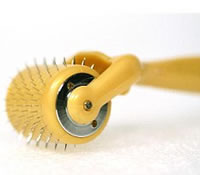 Stimulating Collagen Production: The Derma Roller is a device that can be used to improve the appearance of atrophic scars but not hypertrophic and keloid scars. The Derma Roller creates a painless microscopic trauma to the the affected area of skin, promoting collagen growth and reversing the formation of scars. The area may remain be void of hair follicles and sweat glands, but the skin will be thicker, have less pronounced discoloration and improved appearance. $12.27.
Compression Garments to Reduce Scarring: Post-op compression garments can be uncomfortable but there’s a fair body of evidence supporting their use. Compression garments help prevent problematic scars by applying pressure and protecting the tissue from overstretching, widening and thickening. Furthermore, pressure may help break up excessive scar tissue (collagen bundles) and soften the scar. However, treatment is slow: compression garments must be worn almost all day for 6 months or more before significant results can be achieved.
Steroid Injections for Hypertrophic and Keloid Scars: Steroid injections inhibits fibroblast growth, reducing the amount of collagen deposited into the scar, and have thus been a mainstay in therapy for keloids and hypertrophic scars. Potential side effects include hypopigmentation (less than normal pigmentation compared to the surrounding skin), atrophy, and telangiectasias (small dilated blood vessels near the surface of the skin.) Studies have shown that scar recurrence is common but steroid injection is generally considered effective for reduction of hypertrophic and keloid scars.
Laser Scar Removal and Revision: Laser technology offers promising treatment for the cosmetic and functional improvement of scars, including laser assisted scar healing (LASH) and Pulsed Dye Laser. Fractional laser technology delivers rapid, reliable scar revision and removal and is associated with less risk, pain and downtime compared to surgical solutions.
Surgical Treatment of Scars: Most scars won’t require surgery, but for some aggressive hypertrophic and keloid scars surgical excision or cryosurgery are indicated.
5 Final Tips
- Don’t over do it post-op, especially if you’re prone to hypertrophic scarring.
- Follow your surgeon’s recommendations with regards to scar healing. Know that if you choose to work outside those recommendations you could nullify your surgeon’s policies regarding revisions and liability.
- Delay all post-op treatment until your wounds have completely closed. After that, proceed slowly.
- Massage scars to break down scar tissue, and keep them “hyper-hydrated.”
- Keep your scars out of the sun for at least a year post-op.
All prices are approximate and in USD unless otherwise noted.
Disclaimer: All of the information contained herein is provided “as is” without warranty of any kind, whether express or implied. See full disclaimer.
Last updated: 05/15/22
Hello,
This is an awesome article! I have started to work with a company that produces Emu Oil. I have found this to be one of the best products on the market for many skin problems as well as healing scars. I used it for my hysterectomy scars and it was fantastic.
Right now I am in the works of testing it on trans men who have just had surgery with amazing results.
I hope to have some for you soon. For now you can check out the person with whom I am working. She has the best and purest emu oil on the market. The reason I know this is that my wife is a professional piercer and she has been using it for healing and troubled piercings for many years with amazing success.
Check out Deb’s website: http://www.desertpalmsemu.com/ feel free to contact her and tell her I sent you, and she will take good care of you.
Buck Angel®
Pioneering Filmmaker, Speaker, and Advocate
Excellent excellent post! I have written extensively on my blog about my top surgery results, including getting hypertrophic scars and the treatments I used. In short – yes, lots of massage; yes, use silicone strips and gels; and yes, get steroid injections for hypertrophic scars. You can read all about it on my blog here: http://neutrois.me/2012/02/21/top-surgery-1-year-post-op/
Thanks for putting this wonderful resource together!
~maddox
I had top surgery in August and I’ve done a few things to help with healing and scarring.
A couple weeks before I did a lot of research on nutritional needs of the body healing from deep wounds and started eating a lot more of the things that would give me the nutrients I needed. I eliminated a lot of junk food, soda, cut down my coffee intake, and increased consumption of proteins, dark greens, and fruits rich in antioxidants. I also began drinking a veggie boost shake made with Dynamic Greens, protein, and almond milk every morning for breakfast.
I continued this during my recovery time post surgery.
Once I was clear to take off my compression vest (I had to wear it almost 4 weeks post surgery per my surgeon), I started using Wheat Germ Oil (for a less processed version of vitamin E) and Cocoa butter as well as lightly massaging the scars. I’ve also added Chlorophyll to that. In the last couple weeks I’ve noticed my scars are much lighter overall, though they are still a bit dark under my arms.
I did overdo it a bit during my healing process and there were days where I was definitely sore from it so I also would recommend NOT doing much while healing. Lucky for me I don’t keloid easily so I haven’t had problems in that realm.
Thank you so much for getting the Vitamin E info out there. I’ve seen and heard far too many trans guys spreading information about anecdotal positive effects of it, which others just accept as fact. People don’t realize that it could actually have the opposite effect than intended D:.
Another interesting household remedy would be sugar and/or honey. I believe hospitals in the U.K. now use sugar on wounds in order to discourage bacteria growth. There are many studies that have looked at this but here’s one I found particularly interesting http://aac.asm.org/content/23/5/766.short because it says that sugar helps “to create an environment of low water activity (aw), which inhibits or stresses bacterial growth”. Basically it keeps the wound dry, which seems somewhat contradictory to what some people have said about keeping wounds moisturized. Interesting, though probably a bit different when scarring (as opposed to open wounds) is involved.
However, some research actually suggests that sugar and honey are also beneficial for healing scars. Check them out :O because I haven’t really heard much about trans guys using these methods, which are fairly accessible to almost everyone.
Really sciency article on this: http://www.springerlink.com/content/8g2mfylfy02pr7xu/
Less sciency article with pictures: http://pilonidal.org/_assets/pdf/honey_wound.pdf
Wow, there’s as much great info in these comments as in the article itself. Thanks guys!!
This article was really helpful! I’ve come back to it several times since surgery. I did some extra research and tried a few things on my own that might help other folks. I had a little bit of keyloiding and hypertrophic scars, so I wasted about 3 months using mederma which doesn’t help that. I then tried Scarguard and CicaCare silicone sheeting for 8 weeks, but those only helped a little. I just started using Syprex sheeting and scar cream, and that has already done more in 2 weeks than 5 months of everything else. It’s $70, which is more expensive than the others up front, but ends up being cheaper because the sheets last the entire length of the scar rather than having to get more every month. So my recommendations are to start with silicone sheets as soon as you can and go with Syprex over the others listed. Cheers!
Thanks for your comments, Lou! I’m glad to hear this article has been helpful to you.
My guess is that the Syprex has been most effective for you because it contains omega fatty acids, which have been shown to reduce keloid cells (along with boa constrictor oil!)
I know there are surgeons who recommend ScarGuard, but I’m particularly skeptical about this product. It contains cortisone, which can apparently have some significant side effects: increased sensitivity to sun, and increased risk of skin thinning, bruising, tearing, rashes and infection. It also contains vitamin E, which is hotly debated for scar treatment, plus silicone of course, wrapped up in a $60/oz package–pricey stuff.
Good for you for running with the ball and doing some research specific to your situation. Your input here is valuable, so thanks again!
Hello! Thanks for the awesome information. I had surgery a month ago; when can I start applying oils and silicone lubes? How about the derma roller?
Thanks!
See points #2 and #3 under F) 5 Final Tips. Hold off on the Dermaroller until you can determine if you have atrophic scars. (See A. What are scars?) Happy healing!
Great review of products. Had to go to page 13 on Google to find it. Most of the preceding stuff was ads for products you don’t care for. Your advice
much appreciated. My six and a half inch scar from reverse shoulder replacement needs some amelioration. Thank you.
Thank you, Joshua, for such a comprehensive guide. I went in for the concentric circle method and decided last-minute to get double incision, so it was great to have all this info on scar care in one article. For anybody who wants to try silicone sheets, there is a product called Mepitac by Molnlycke Health Care which comes out almost half the square inch price of ScarAway. And even less if shipping to the USA. It’s intended for use as a wound tape, but the contact layer is the same proprietary silicone as their (way more expensive) Mepiform scar sheets. It was recommended to me by a guy in second-stage forearm phallo, who I met at the recovery residence after my surgery. It’s too early for me to tell, but the reviews on Well.ca and other google hits all rated it good for scar care. Cheers!
What a great article! I work for a plastic surgeon in So. FL who performs top surgery and I was looking for good articles on surgery scar care to better help our patients and this is just what I had in mind.
Would it be OK if I print this article to give my patients during their one week post op visit? and of course we would give transguys the credit.
Thank you.
Suzy, I’m thrilled that you were seeking out this information and found the article helpful! Yes, please feel free to use it as a handout. As long as TransGuys.com is credited, as you mentioned, I’m pleased to have this information disseminated.
Great article! I just wanted to add a few points. If anyone is sensitive to wheat or gluten any form of wheat germ oil should be avoided to prevent inflammatory response.
Myofascial release is a form of connective tissue massage that has very specific applications for use on scar tissue. There are two very well known instructors in this field of massage. John Upledger and John Barnes both train hundreds of PT’s and MT’s every year through conference style trainings. The Upledger Institute and http://www.myofacialrelease.com are the organizations that organize these trainings. Contacting the organizations may help you find knowledgeable practitioners in your immediate area.
What about neurostim (micro point stimulation) therapy as pre and post-surgical treatment for scarring? I don’t know if it’s total bunk or not (I am not someone who goes for alternative medicine, generally). I am extremely skeptical but wondered if this was something you had come across or read about. I came across it in the context of looking into lymph drainage massage therapy.
Thank you for the suggestion! I’m not familiar with neurostim. From what I read, it seemed to be more indicated for pain, but there was also information specifically about thickened scars and scars that cross meridians, and might be worth looking into for those who have thickened or painful scars.
Scar Release Therapy (SRT) is a technique which involves the simultaneous application of Dolphin Neurostim microcurrent to each side of visible scars in order to electrically “repolarize” the thickened scar tissue. This scar release also releases fascia and muscles which may be adversely influenced by the scar. Releasing scars which “cut” or “severe” meridians and nerve pathways (dermatomes) can often be the single most important factor in the treatment of chronic pain.
Scar Therapy – scars throughout the dermatomes and meridians can restrict the flow of energy, disrupt the lymphatic and circulatory systems and interfere with muscle energy.
Also, you mention bromelain (pineapple) as something to consider prior to surgery however bromelain is a bloodthinner.
Yes that’s true, and yet Bromelain is recommended across the board as a pre-surgery food or supplement to prevent and reduce swelling. That said, it’s always a good idea to check with your surgeon regarding any medications or supplements one is planning to take as a pre- or post-op aid.
Joshua, thanks so much for the excellent article. With my surgery date in just a month I’m doing research on pre/post op foods and scar treatments to keep in mind. I was really interested in your “recommendations to my past self” about the custom massage oil…would you have combined the listed oils to make a massage ointment and if so, any suggestions on amounts of each? Again, thanks so much for the great information!
Yes, I probably would have made a custom oil, and I would have experimented with the formulation. Having not done this, I can’t offer advice for the amounts. Truthfully, I’m not sure it’s necessary. It would be nice self-care, but in terms of scar healing silicone gel is probably the best bet.
For my sensitive skin I had reactions and found out I was allergic the ingredients in Mederma. But after all the testing and trying out different scar creams, the Dr. max Powers Scar Serum – I was able to handle and actually helped and made a lot of my old and new scars disappear. It’s affordable and its easy to use and safe. Luckily I haven’t had any bad reactions with the Dr. Max Powers Scar Serum and for a person with super sensitive skin that’s amazing and want to jump for joy.
Dr. Max Powers looks like a good natural scar care product, thanks for sharing!
I had a peri areolar reduction and found massage very beneficial when done consistantly. I did however use Mepiform/CicaCare post radial forearm phalloplasty and found it worked incredibly well with keeping the scars flat. I did have scar massage for 8 weeks and used a derm roller and saw no changes. I do believe proper massage can play a role in aiding the scar tissue to lie better but this takes a lot of time and patience. Also a huge fan of compression for both my chest and forearm post op. I say be patient and keep it simple,
I’ve heard different advice for silicone. Can you use it on the scars around free nipple transplants or no? Dr. Garramone (not my doc) says not to to use silicone on nipple grafts (http://drgarramone.com/pdf/apsipostopinstructions.pdf) and that silicone scar guard may only be used on incisions. My doc may no such distinction. Any advice?
Thanks for your questions, Kyle. I’m not 100% certain but I have two guesses:
1. The advice refers to the timeline: “You may start using ScarGuard, 2 weeks after the surgery date. Only use this on your incisions, not the nipple grafts.” Maybe the nipple grafts need more time to heal?
2. The advice is based on what’s in ScarGuard: Silicone, cortisone, and vitamin E. There’s evidence that vitamin E can cause allergic reactions in some people, and evidence that topical cortisone can cause skin to thin, as well as delayed wound healing. So it’s possible that ScarGuard is not recommended for grafts because a negative reaction could result in loss of the graft.
Because of the potential issues with vitamin E and cortisone, I don’t recommend ScarGuard. To the best of my knowledge 100% silicone can be used on incisions and grafts *once all incisions have closed.* As always, follow you surgeon’s recommendations.
ps. Kyle, here’s a bit more information that might help explain the ScarGuard info:
“No beneficial effect of either vitamin E or topical steroid could be demonstrated. However, adverse reactions occurred in 16.4% of patients receiving active drug, compared to 5.9% treated only with base cream. Interestingly, the grafts initially contracted and subsequently grew to be a size larger (about 20%) than the original graft by one year. It is concluded that neither topical steroid nor topical vitamin E is effective in reducing scar formation after grafting procedures for reconstruction for postburn contractures.”
J Burn Care Rehabil. 1986 Jul-Aug;7(4):309-12.
Failure of topical steroids and vitamin E to reduce postoperative scar formation following reconstructive surgery.
Joshua,
What would you recommend for me….I had a hair transplant conducted and have a linear scar across the back of my head…I am one month post op and want to help diminish its appearance…I know time is the main ingredient for all scars to heal but extra help never hurts right???…
What do you think about scar guard, also if you have other recommendations please do share….
Thanks for your response and time in advance…
I’m skeptical about ScarGuard. It contains cortisone, which can apparently have some significant side effects: increased sensitivity to sun, and increased risk of skin thinning, bruising, tearing, rashes and infection. It also contains vitamin E, which is hotly debated for scar treatment, plus silicone of course, wrapped up in a $60/oz package–pricey stuff.
I’d go with 100% silicone lube and massage.
Hope this helps!
Don’t give up if you don’t see a difference after only a couple of weeks; the Dr Max Powers Scar Serum was recommended to me by a relative who had several major surgeries in a short period and was using it to minimize scarring. She was so pleased with it and found it worked really well in this area. She had also been putting it on her face and had discovered it had an effect on her skin tone.
the small amount of effort it takes to apply the Dr Max Scar Serum a couple of times a day (e.g. before your morning routine and after cleansing in the evening) for a couple of months will pay dividends you will be delighted with.
I know it has worked because I cannot tell you how many compliments I am receiving on an almost daily basis from people looking at me quizzically and then asking me what I have been doing, as I appear to be getting younger.
Thanks for sharing your experience! You’re the second person here to mention Dr. Max’s. From their website:
Rosehip oil is mentioned in this article. The vitamin E can cause allergic reactions in some people, but Dr. Max’s looks like a good alternative to making your own oil (albeit more expensive.)
I used Mederma because i had 5 scars from surgery, but but its didnt work that well or very fast. I now use the Dr Max Powers Scar Serum and I noticed that right away they made the scars smoother and less pink.
I’ve use this Dr Max Powers Scar Serum about five at a time, and I will continue doing so till its gone. They are about 50% gone after 1 month.
Hey Joshua, I got a hair transplant about 2 years ago and recently got a scalp pigmentation to fade in the white linear line that I now have. Definitely is a Hypertrophic Scar. If i use a ‘gel’ based ointment it makes it shiny and noticeable. Some white based creams have oil in them that make it reddish. I am looking for a mild morning application that will keep it hydrated and unnoticeable and whatever at night to help it heal (currently using Aquaphor). Any insight will be much appreciated!!
Hey, thanks for your question. A high quality silicone gel designed for scar care, like NewGel+, should dry out a bit and not leave the scar shiny. I would try this instead of the Aquaphor. Ultimately, you may want to investigate scalp micropigmentation to conceal the scar. Hope this helps!
Hello,
You all can also look into the Basma Hameed Clinic. She is a pigmentation specialist. Sometimes scars can turn dark or white. She actually implants pigment into the scar to camouflage it into your natural skin color. Here is her site and best of luck to everyone with their journey! http://www.Basmahameed.com she is also on Facebook. Basma Hameed
I’m not trans…just a woman who elected not to have reconstruction after a double mastectomy, by way of bringing an end to the surgical horror show. Try ordinary extra-virgin organic olive oil. Apply a SMALL (!) amount and gently but thoroughly rub it in. After two or three weeks of daily application, you should see an improvement.
a) Don’t overdo it unless you enjoy soaking your undershirt (or regular shirt, if you wear no T-shirt under you dress shirts) in detergent and then scrubbing. A little olive oil goes a long way.
b) Yes, it will make you smell like a walking salad bowl. Apply it when you know you’re not going out to schmooze in public. The odor does dissipate after about an hour, so if you apply a small amount very early in the morning, it probably will be OK to go out, especially if you wear a sweater, or else a T-shirt under an outer shirt.
c) An alternative for a time when you do need to be sure you’re salad-bowl-free is a highly refined oil such as safflower or sunflower oil, which you can get in the cooking section of an upscale grocer or Trader Joe’s. These have no odor — you can add a few drops of your favorite scent, as a matter of fact. They don’t seem to have quite the same healing effect as extra-virgin olive oil, but they do lubricate, make your skin feel much better, and they minimize the visual effect of scarring.
I found the olive oil had a surprising effect on two-year-old scars that still had some annoying red and pink sections. After just a few weeks of once- or twice-daily use, the red/pinkness is almost gone and the scars are MUCH less itchy and tight. A wrinkly area around where I enjoyed four attempts at DCIS excision is now almost invisible.
Two advantages of this stuff: it’s very cheap, and it can’t hurt you. If it doesn’t work for you, nothing ventured nothing gained. If it does work, you’ll have a nostrum you can buy at just about any grocery store.
I’m not a transman but I will be having breast reduction surgery on Monday and wanted to say that this article was extremely helpful and I will be using some of these tips to reduce scarring on my new breasts, as I scar very easily. Thanks!
Hi ^-^
I had DI on May 10th with Mr Yelland in the UK. I’m about 2.5 weeks post op, scars are sealing nicely and only a few scabs now.
I was told to use Bio Oil after 4 weeks and massage, but been put off after reading this and researching Bio Oil myself. Some guys have said it works great, but I’m unsure whether to listen to my surgeon or not.
I’m now planning on buying some simple silicone gel (ScarAway Repair Gel with Kelo-Cote) and silicone sheets to cut into strips, is this a good idea for me? And also can I start using both of these treatments at 4 weeks post-op? I was thinking to use the gel first and switch to strips if anything gets worse.
And also can I apply silicone gel/sheets to the areola/nipple? My surgeon said not to apply the Bio Oil to the areola/nipple, but don’t know why.
Any treatment recommendations and products would be super helpful! Thank you (:
Hey, I just wanted to say thanks for such a well-researched article. I’m a pretty thorough Googler, and I didn’t find anywhere close to this level of detail on any other website. Thank you for putting in the work and citing your sources 🙂
Has anyone used the ScarAway strips *on* their nipples? I’ve been doing it for about a week now and have found it to be helpful. My nipples aren’t *appearing* to be scarred, but are a very dark and feel a little strange. Since I haven’t found anything that says not to do it, I started doing it. So far, so good.
I own a company called Micropigment Implantation Technologies. We have developed scar correction procedures since 1986, we teach these procedures to Medical personnel world wide. We have just reciently become aware of how valuable our scar erasure procedures could be to the transgender men & women who have undergone surgery leaving conspicuous scars . Myself and my staff would very much like to extend our services and our training methods to anyone that would be interested. Please feel free to Text me personally if you would like information on our ” Hendon New Cell ” scar correction procedure or if you know someone who might assist us in getting this information to the trans gender community.
Please TEXT 706 338-9558
Ron Hendon CEO and head educator for Micropigment Implantation Technologies .